The Price of Access: What the Obuasi Investigation Tells Us About Sex, Power and Girls in Ghana
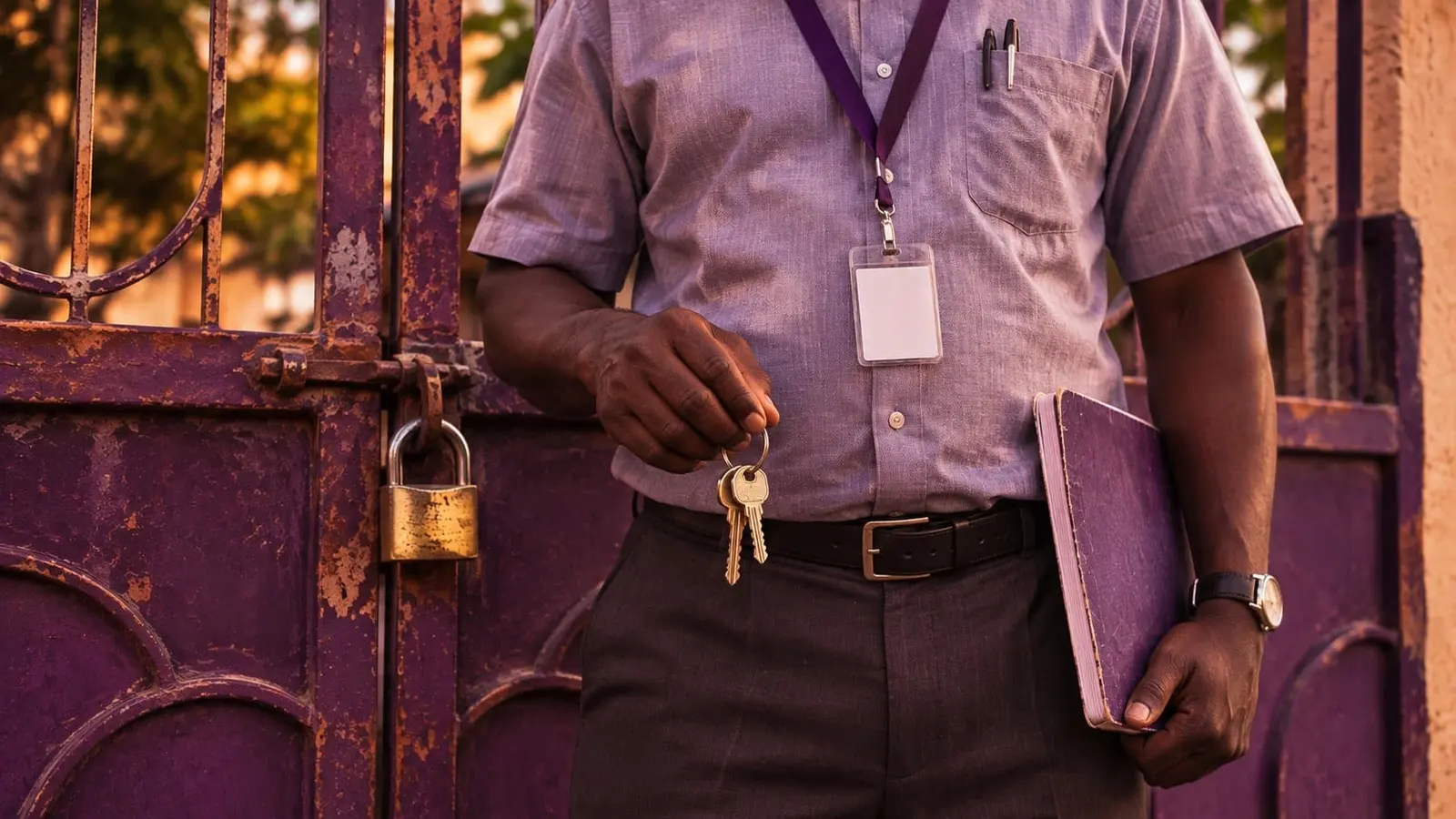
A JoyNews investigation published on 19 October alleges that the headmaster of Obuasi Senior High Technical School sexually assaulted at least 14 female students in little more than a year. The school is the largest senior high school in Obuasi, Ghana’s best-known mining town. The allegations began within a month of the headmaster taking office in April 2025.
In Inside the Dreaded Headmaster’s Bungalow, journalist Manasseh Azure Awuni speaks to girls who describe being invited to the headmaster’s official bungalow to cook, clean and run errands, and then being locked inside. One second-year student says that after he raped her in July this year, he gave her a GH¢100 note and told her to tell no one. She put the note inside her Bible and lay crying.
The headmaster declined to comment, saying the police and the Ghana Education Service were investigating. None of the allegations has been tested in court. We report them here because of what the investigation shows about the adults around those girls, and because the pattern is one we see in our own work in Northern Ghana.
Everyone was told
The most troubling part of this story is not one man. It is how many people knew.
According to the investigation, girls and their friends reported the headmaster to house mistresses, house prefects, male teachers, the school’s safeguarding teacher and the sports master. In February 2026, the school’s girl-child coordinator and its safeguarding teacher petitioned school management for “an immediate, impartial and confidential investigation”. Nothing happened. In March, five girls went to the municipal education office, three of them with written complaints. Those complaints were not investigated before the July assault. Parents wrote petitions. In July, the old students’ association petitioned the authorities too.
Reports also reached two municipal chief executives and the Mayor of Kumasi, a former chief executive in Obuasi. The advice the mayor says he gave was to keep female students away from the bungalow and send boys to do the errands instead. One girl told a house mistress what had happened to her. By the girl’s account, the teacher asked whether it had happened to her too, and said the headmaster had abused many girls but the teachers did not know how to deal with it.
The headmaster is also a constituency secretary for the NDC, Ghana’s governing party. Several sources told JoyNews that his protection comes from those political connections. A former party organiser alleges that senior party figures met in a restaurant in Obuasi and asked a house mistress not to corroborate the allegations. The mayor confirms the meeting took place but says its purpose was to protect the girls. Some parents have withdrawn their cases after alleged pressure from opinion leaders.
In August, the remains of a fetus were found buried on the school grounds and students rioted. Two teachers accused of inciting the students were swiftly arrested and have since been charged. When JoyNews filed its report, the headmaster had not been arrested. The father of the girl who says she was raped in July is a farmer. JoyNews reports that he fears his daughter will not get justice because he is neither rich nor influential.
This is not an isolated case
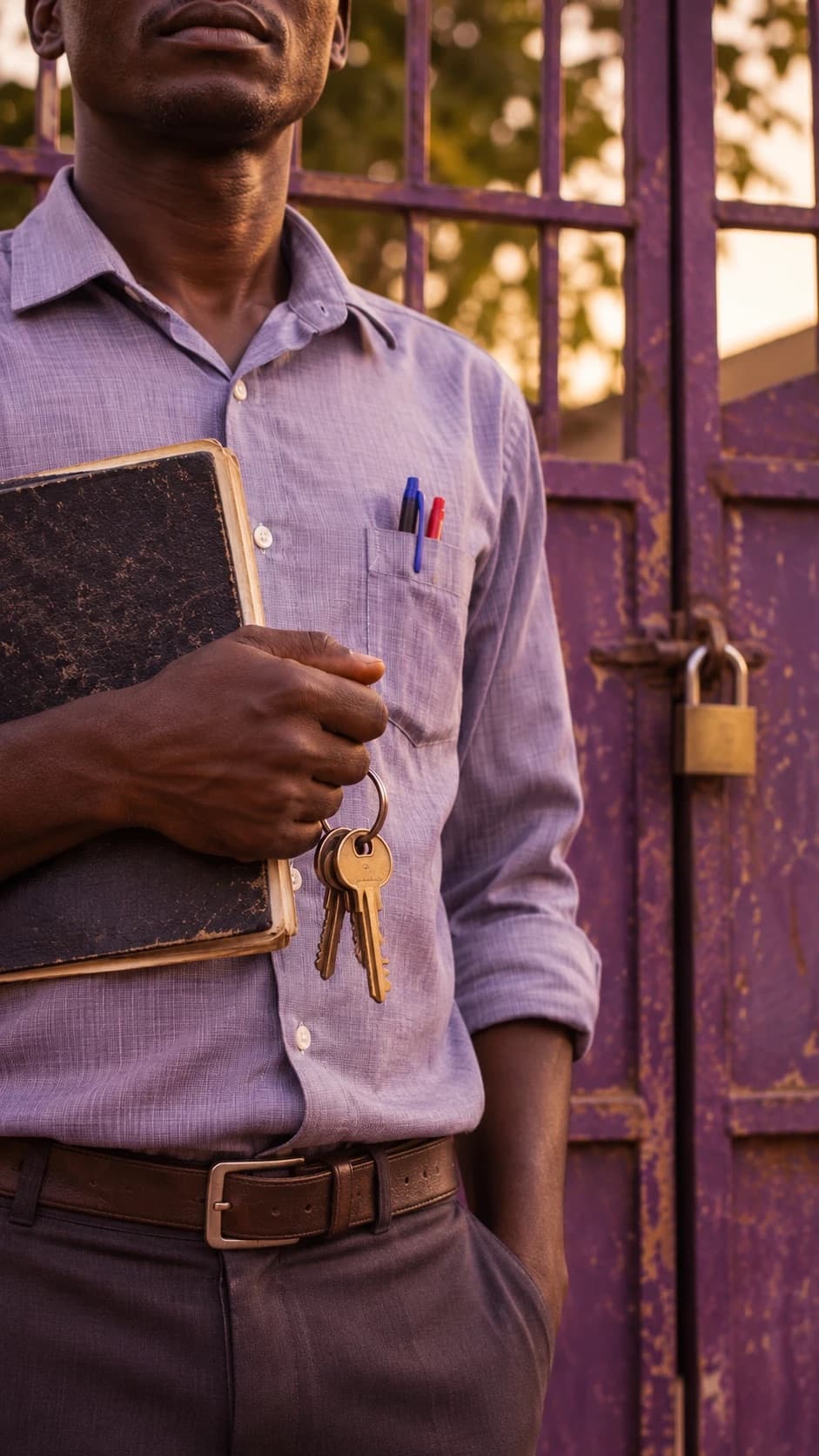
Manasseh Azure Awuni first investigated sexual abuse at the same school in 2018. A senior housemaster was dismissed. Eight years later, teachers and students told him things were worse.
Beyond Obuasi, the pattern repeats wherever we look. In 2019, BBC Africa Eye’s “Sex for Grades” investigation, led by Nigerian journalist and filmmaker Kiki Mordi, exposed lecturers at the University of Ghana and the University of Lagos sexually harassing young women they believed were students, and the trade in marks for sex behind it. Mordi has since reported on police violence against young Nigerians and on sex trafficking in Nigeria, and her work has earned her an Emmy nomination.
Last year we wrote about sex for fish in Ghana’s coastal communities, where men control the catch and girls as young as nine are expected to pay for it with sex. In our focus groups in Tamale after the Tamale Pilot, teachers and pupils told us that girls as young as 14 were exchanging sex for mobile data.
The commodity changes. It might be a grade, a place at school, fish to sell, a job, mobile data, or simply the goodwill of the man who runs the place where a girl lives and studies. The structure stays the same. In our experience, wherever men are the gatekeepers to something women or girls want or need, sex is very often the price they are asked to pay.
Transactional sex is not rape, and we do not use the two words interchangeably. But they sit on the same line of power. The GH¢100 note in Obuasi matters because it turns an assault into a transaction in the mind of the man who handed it over. The same logic runs through every exchange where a girl’s choices have been narrowed to the point that her body is the only currency she holds.
Obuasi also shows a second gate. The people who held power in that town also controlled whether the girls’ complaints went anywhere at all. When a petition sits unanswered, a girl learns that speaking up costs her more than it costs him. One girl explained that she had not wanted to report because nothing had been done when she reported a teacher for a caning that put her in hospital for two weeks.
The missing half of the analysis
Most of what is written about transactional sex in Ghana starts with the girl. It focuses on her poverty, her family, her phone and her choices. Poverty is real, and it matters. But it does not explain why so many men with access to something a girl needs decide to charge her for it in sex.
That is the demand side, and it is usually missing. In Obuasi, women as well as men failed these girls - house mistresses told them to keep quiet, and complaints stalled with women officials as well as men. But the demand came from a man who controlled the bungalow, the school and, through his connections, much of what happened to complaints against him. Any serious response has to look at the men who set the price, not only at the girls who pay it.
Why we are researching transactional sex in Tamale
The focus groups after the Tamale Pilot changed our research priorities. In February 2027 we begin Pathways from Poverty to Exploitation, a qualitative study of transactional sex, mental health and HIV vulnerability among young women in Northern Ghana. The research is led by Dr Mitra Naseh at the Forced Migration Initiative at the Brown School, Washington University in St Louis.
The study will work with women aged 18 to 23 in Aboabo, Tamale, to establish how far the practice reaches and what it costs the young women involved. It will lay the foundations for follow-up research with girls aged 12 to 15 who are still in full-time education. We want to understand the whole exchange: what girls need, who controls it, and what is demanded in return. That evidence will shape what we teach through the SMART Schools Program and the SOMA Girls’ Empowerment Program, and what we ask of the men in the communities where we work.
What protects girls
The girls in Obuasi did speak. They told friends, prefects and teachers. Some teachers took their evidence seriously, and a safeguarding teacher put the complaints in writing. The safeguarding failed further up, among the adults with the most power.
Schools should be the safest place in a girl’s life. They are also where a trusted adult is most likely to notice when something is wrong. That only holds when the people at the top answer a report with action. Obuasi also shows why one trusted adult is never enough. Through the SMART Schools Program we teach children to name three trusted adults they can turn to, because any one of them might be the person causing harm, or might do nothing when told. If one adult fails her, a girl still has two others to go to. Through our research on men as protective factors, we want to understand what makes a man use his position to protect rather than to exploit.
The girls of Obuasi have done their part. The question now is whether the men with power over their case will do theirs.
Stay in touch
Join our mailing list
Occasional updates on our work in Northern Ghana, straight to your inbox.