Money, Marriage, a Job Online: What a New Study of Northern Ghana's Border Communities Tells Us About Extremism and Trafficking
A STAR-Ghana study of 12 border communities finds that violent extremist groups use the same lures to recruit women as traffickers do: money, marriage, a job online. The women most exposed are young, poor and out of school. They are also the ones holding these communities together.
The study
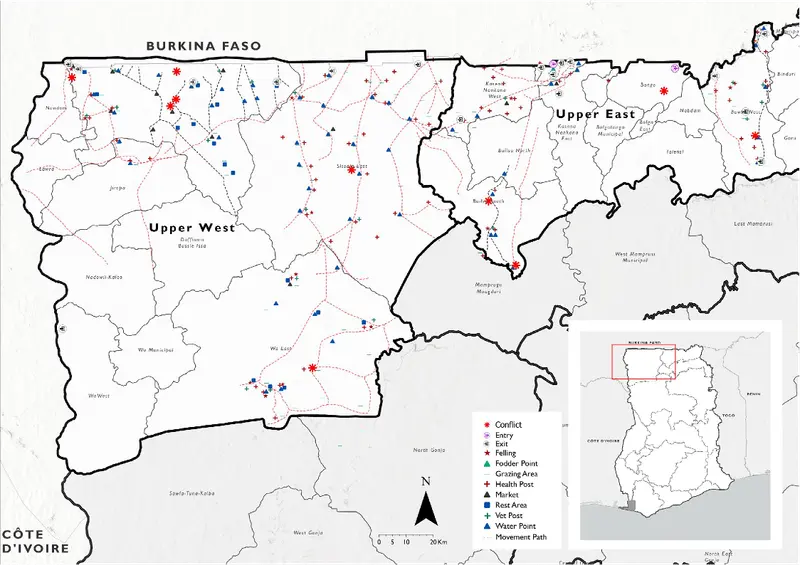
STAR-Ghana Foundation surveyed and interviewed 594 women, men and community leaders in 12 communities across Upper West, Upper East, North East, Northern and Savannah regions. Every one of these communities sits on the border with Burkina Faso, Togo or Côte d’Ivoire. The research is part of the SURE project, run with FOSDA and the West African Center for Counter Extremism and funded by the UK’s FCDO. Download the full report (PDF).
No violent extremist attack has been officially reported inside Ghana. But in February 2026, eight Ghanaian petty traders were killed in Titao, Burkina Faso. Sissala West, Bongo and Bole draw people from across the region to illegal gold mining. Erratic rainfall is failing farms, and young people have no work.
Across the border, women and girls are already paying the price. At the UN Security Council in August 2025, UN Women’s Executive Director Sima Bahous said more than 1 million girls in Niger, Mali and Burkina Faso were out of school because of terrorist attacks or threats. In Burkina Faso, abductions of women and girls rose by more than 218% in a single year. “Abduction is not a by-product of terrorism in the Sahel,” she said. “It is a tactic.”
Women already run the early warning system
Respondents named three main roles for women in preventing conflict: early warning (23%), mediation (20%) and keeping households fed and earning (19%). Women move through markets, homes and places of worship where formal security never reaches. They notice when a neighbour’s son starts keeping company with strangers or comes home with money he can’t explain.
“If you want all the secrets in this community, contact women,” a male youth leader in Bongo-Soe told researchers. Village savings and loan groups double as information networks.
None of this is formal. More than half of respondents named three barriers. Women are kept off peace committees and have lower literacy, and patriarchal norms hold them back. “You haven’t gone to school, leave the educated people to talk,” one woman in Kinkango was told when she spoke at a meeting. In Paga, a woman said any woman seen near men’s conflict discussions is called a witch.
The recruitment playbook is the trafficking playbook
Respondents were asked what might draw women into violent extremist groups. The top answers were money (24%), a promise of marriage or status (16%), offers online (11%) and a sense of belonging (11%). They named poverty (33%) and unemployment (24%) as what pushes women towards those offers.
Anyone working on trafficking in Northern Ghana will recognise that list. A young woman in Sissala West said unemployed women “easily fall for online recruitment in the name of securing a job online”. A religious leader in Bongo described a girl from his community who was promised a visa abroad by foreigners. They kidnapped her and demanded a ransom her parents could not pay. She has not come home.
Trafficking itself appears in the study as a push factor, named by 10% of respondents. The authors read that as a sign that some women’s involvement is coerced, not chosen.
These are perceptions, not documented recruitment cases. But they describe the same push factors HEP sees every day in Tamale. They are the same reasons girls go south to work as kayaye and board flights to the Gulf.
Education is the gap
Of the people surveyed, 17% had no formal education. Another 44% stopped at primary or junior high school. The report links this directly to vulnerability to misinformation and online inducement. It calls for digital literacy and online safety training for young women.
That is what our SMART Schools Program teaches: how recruiters work, how to stay safe online and how to say no. The report directs its recommendations at adult women through savings groups and livelihood programs. Our argument is to start earlier, in school, before a girl is an unemployed 20-year-old scrolling job offers on her phone.
The missing half
The study asks why women are vulnerable. It does not ask who is making the offers. Someone is promising the money, the marriage and the visa. A promise of marriage only works as a lure where marriage is a woman’s main route to status. The norms that keep women off peace committees are the same ones that make them recruitable. Changing that means working with men and boys too.
Women in Northern Ghana’s border communities already watch, warn and mediate. Policy should give them a seat where decisions are made. Education should reach girls before the offer does.
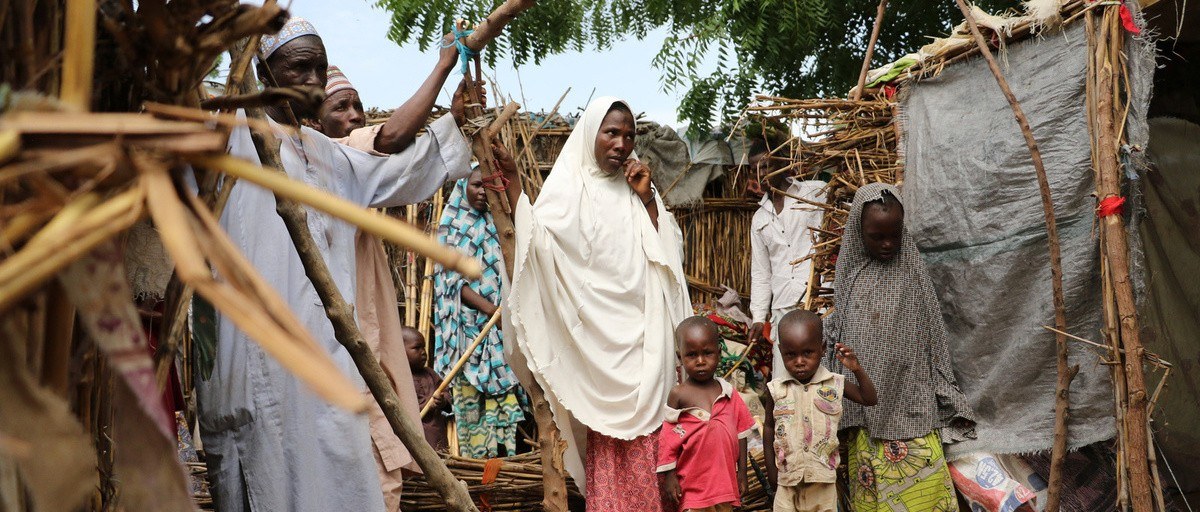
Source: STAR-Ghana Foundation (2026), Examining the Role of Ghanaian Women in Conflicts and Their Vulnerability to Violent Extremist Organizations, SURE project. Header photo: Julia Burpee/IOM 2017.
Stay in touch
Join our mailing list
Occasional updates on our work in Northern Ghana, straight to your inbox.