Introducing the West Africa Trafficking Monitor
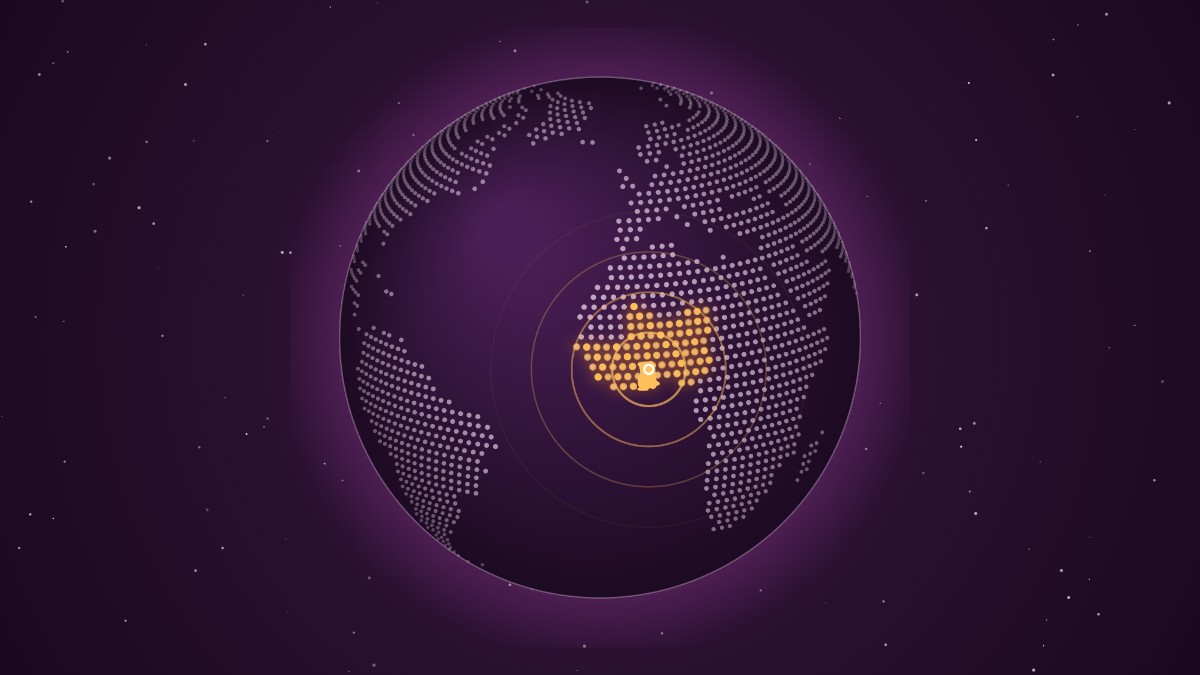
Hope Education Project now publishes a daily briefing on human trafficking news across West Africa. It is called the West Africa Trafficking Monitor, and every briefing is on our website at hopeeducationproject.org/monitor.
What it is
Each briefing has three parts. Today’s Stories gives the main trafficking stories reported in the region that day, each one marked with the country it relates to and linked to the original report. Trend Analysis sets those stories against what the Monitor has recorded before, so a single arrest or rescue can be read as part of a route, a pattern or a gap in enforcement. Links to Today’s Top Stories lists every source so readers can go straight to them.
The first briefings have covered the corridor that takes Nigerian women and girls to Mali, the Libya route and the travel agencies that feed it, people trapped in scam operations in Guinea-Bissau, the gap between trafficking rescues and prosecutions in Ghana, and a Nigerian court handing a trafficker a prison sentence.
Why we run it
Our work is prevention in Northern Ghana. Through the SMART Schools Program and the SOMA Girls’ Empowerment Program, we help young people and their communities recognise risk and resist recruitment.
Recruiters do not stop at borders, and neither does the evidence. The way young people are approached in one country, with a job offer in hospitality or trading or a promise of travel, shows up in court cases and police reports in the next. That reporting is scattered across dozens of news outlets. The Monitor brings it together each morning, so we can see how recruitment is working now and keep what we teach up to date.
We publish it because the same picture is useful to others: journalists, researchers, teachers, other organisations working against trafficking, and anyone who wants to follow what is happening in the region.
How each briefing is made
Each morning the Monitor reads news feeds from across West Africa and picks out the stories about trafficking and exploitation. The briefing is then drafted with the help of AI and checked by our team before it goes on the website.
The Monitor has been running in the background for the last six months, building a database of trafficking stories from across the region. That database is what lets each briefing set today’s news against what came before. It is a project we keep updating: we are constantly refining how the AI reads and interprets the stories, so the analysis will keep getting sharper.
We hold every briefing to three rules:
- We never name or identify survivors or children.
- An arrest is not a conviction. People who have been charged are described as suspects or accused until a court decides.
- Every story links to its source, because we report what has been published and readers should be able to check it.
We only publish on days when there is real news to report, so there will be some days without a briefing.
How to follow it
- Read the latest briefings at hopeeducationproject.org/monitor.
- Follow it in a feed reader at /monitor/feed.xml.
The Monitor draws on news reports from other organisations, so we cannot vouch for the accuracy of every source. If you spot an error, please email info@hopeeducationproject.org and we will put it right.
Stay in touch
Join our mailing list
Occasional updates on our work in Northern Ghana, straight to your inbox.