Borders, Vulnerability, and Protection: Panel Discussion at Washington University, St Louis
Last week our founder, Angus Thomas, sat on a panel at Washington University in St Louis. The Clark-Fox Policy Institute, the Forced Migration Initiative, and the Brown School Global Programs Office brought together researchers and frontline practitioners to ask a hard question: how do migration and trafficking policies shape the lives of the people they claim to protect?
The panel was led by our research partner Dr Mitra Naseh, Washington University Brown School faculty, CFPI Senior Policy Fellow and head of the Forced Migration Initiative. I shared the stage with social work scholar Dr Miriam Potocky and another HEP research partner, Dr Maryam Rafieifar of the University of Texas. I spoke as the only lived experience practitioner, the third arm of the policy, research, implementation triangle.
One point ran through the whole discussion. Policies built to deter migration often do the opposite of protect. They push people into informal routes, cut them off from healthcare and support, and deepen fear in communities that are already vulnerable. Deterrence does not stop movement. It makes movement more dangerous.
We also pushed the conversation past sex trafficking. Public debate still treats trafficking as a sex-trade problem, which leaves labour trafficking largely invisible – in agriculture and fishing, in domestic work, in hospitality. The attention on sex trafficking tends to shape policy, missing the growing problem of labour trafficking.
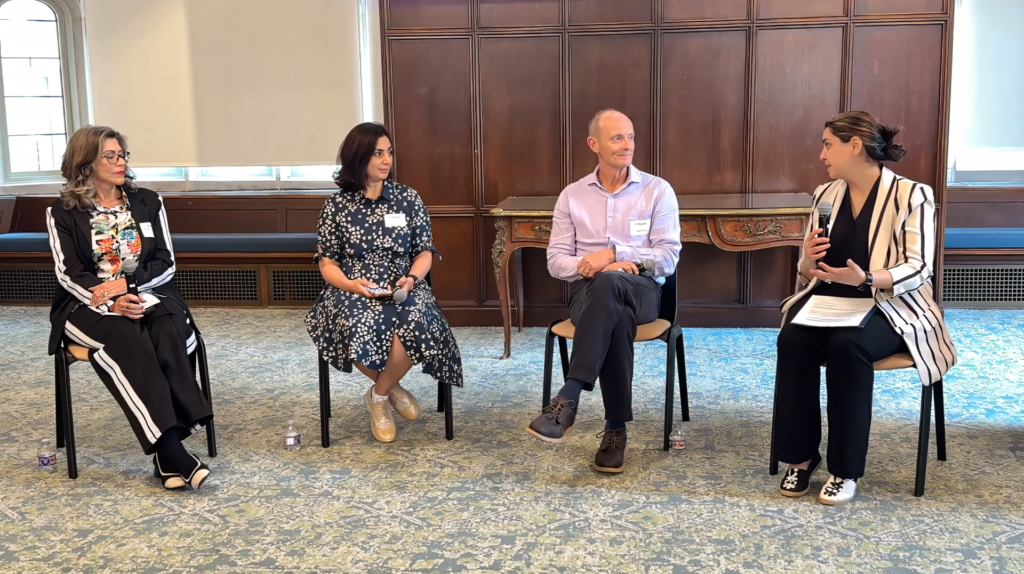
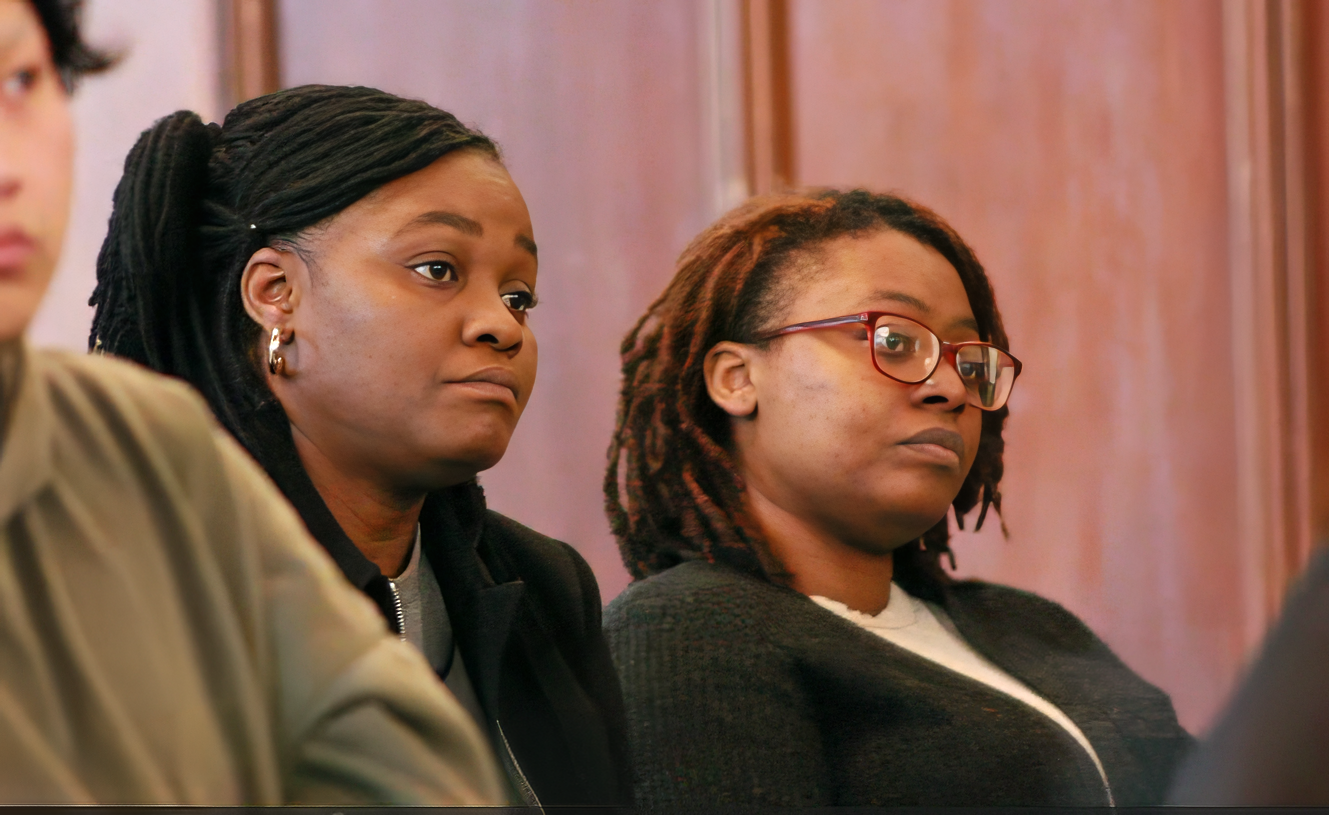
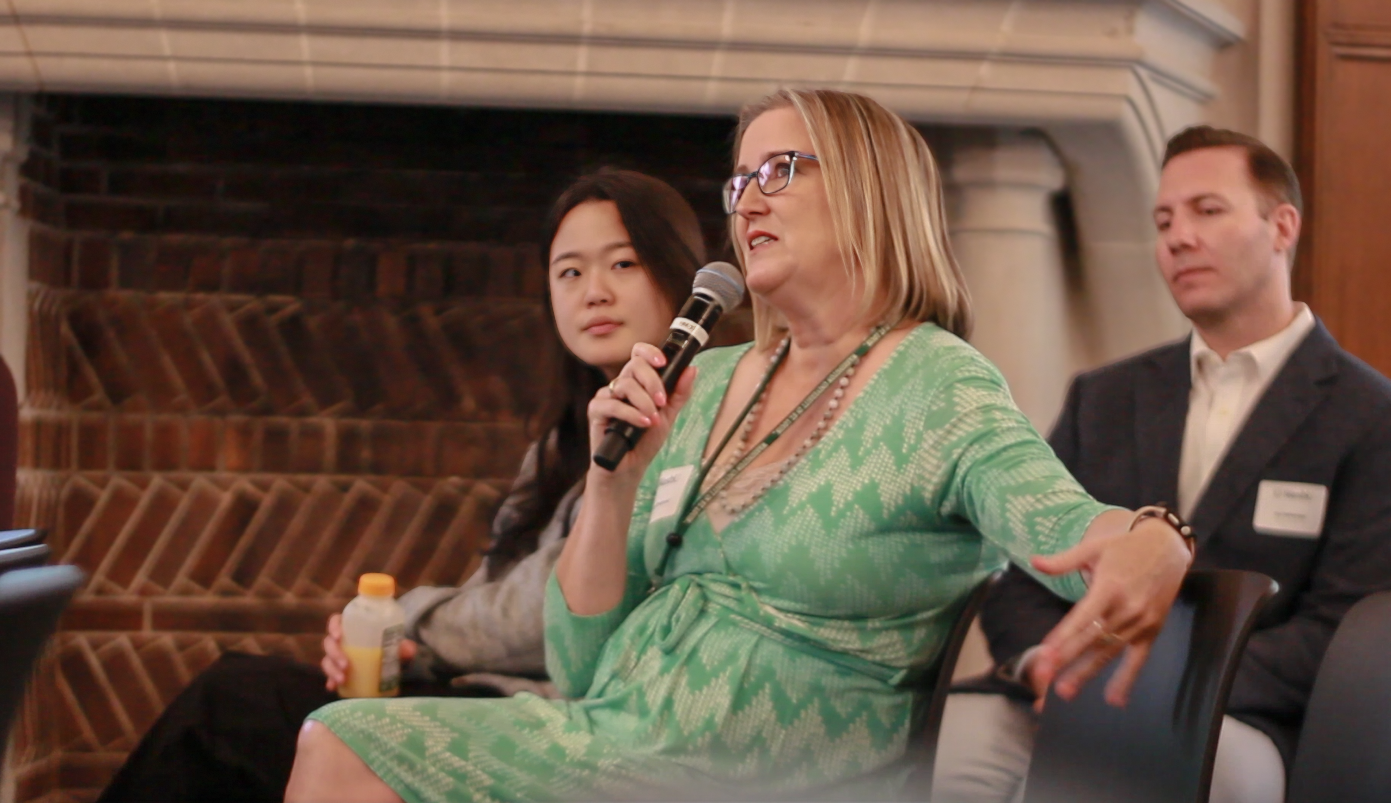
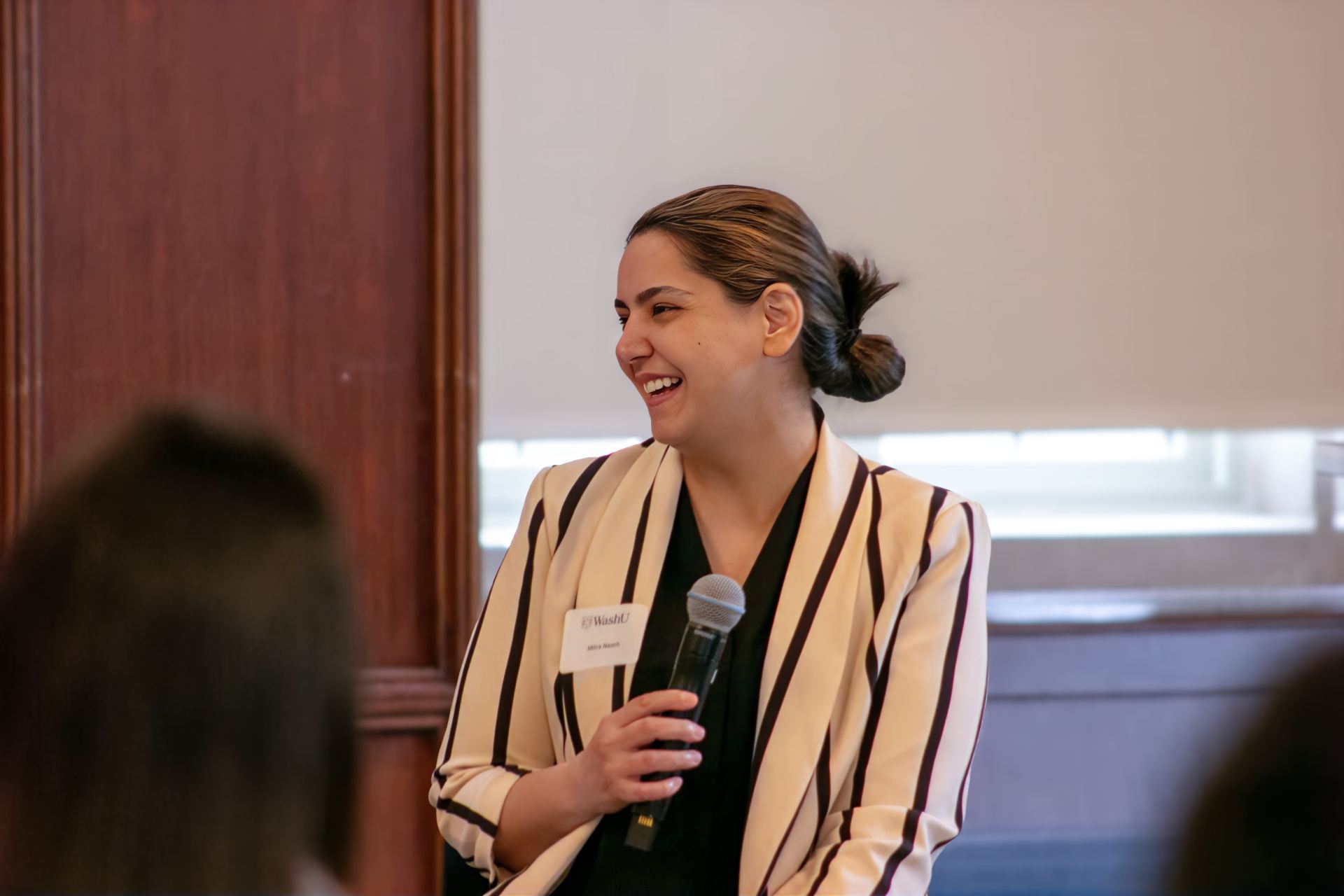
Dr Miriam Potocky , Dr Maryam Rafieifar, HEP's Angus Thomas and panel facilitator Dr Mitra Naseh of the Forced Migration Initiative at Washington University St Louis
Thomas spoke about something you rarely hear named in the discourse around sex trafficking. Shame.
When a woman returns from being sex trafficked, she returns carrying shame. Shame is a killer. It keeps her inside, in the dark of her room, too embarrassed to go outside because her trauma has not been taken care of. Rescue is not recovery. Bringing someone home is the beginning, not the end as the victim navigates the new challenges of having “failed” in her quest to seek greener pastures, often motivated by a desire to support their children or parents. If the victim was supporting herself before she travelled with occasional transactional sex, that is no longer an avenue for her having been so severely traumatised by her ordeal.
The researchers made a point that matters for HEP’s work. Rafieifar said the job of research is to build a shared language – one that practitioners, law enforcement, and international bodies can all speak. Potocky spoke about evidence-based practice, and about how the gap between research and frontline delivery has narrowed over her career. Service providers increasingly want to know what actually works.
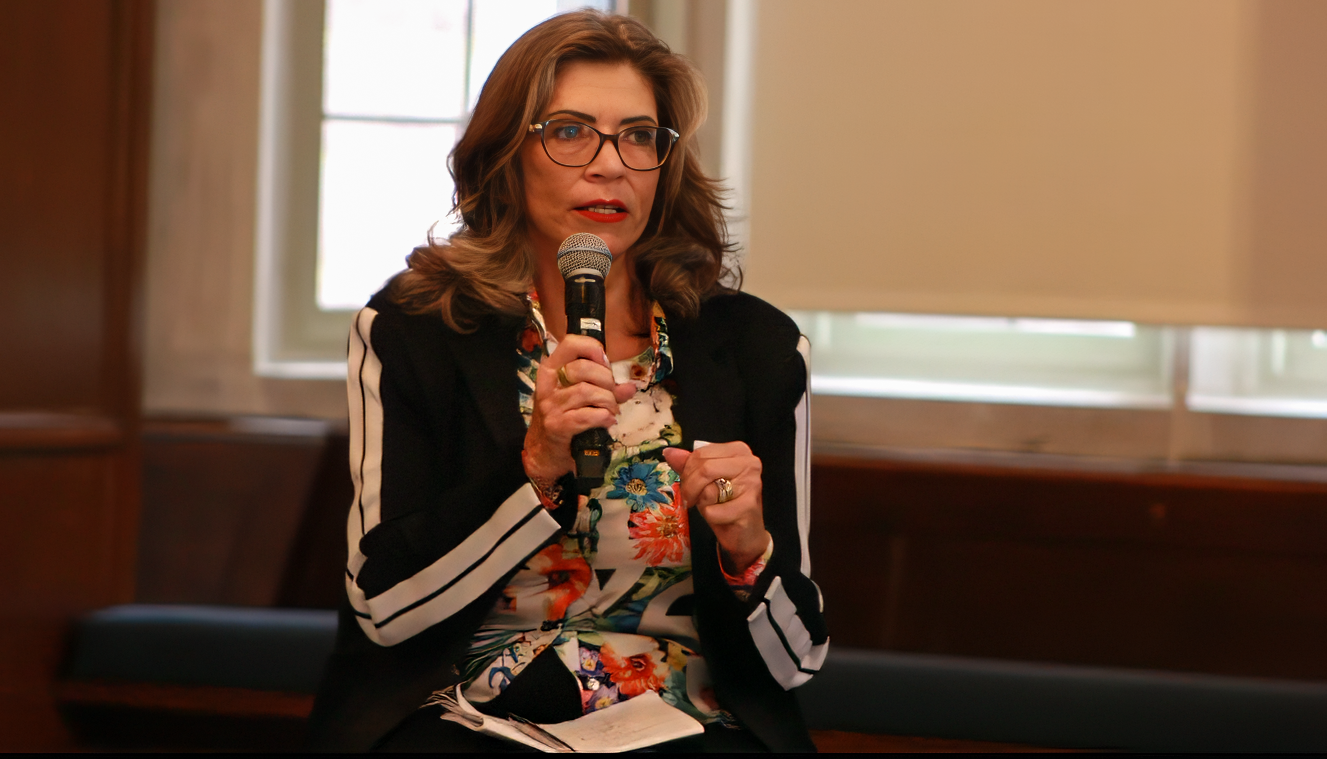
Miriam Potocky
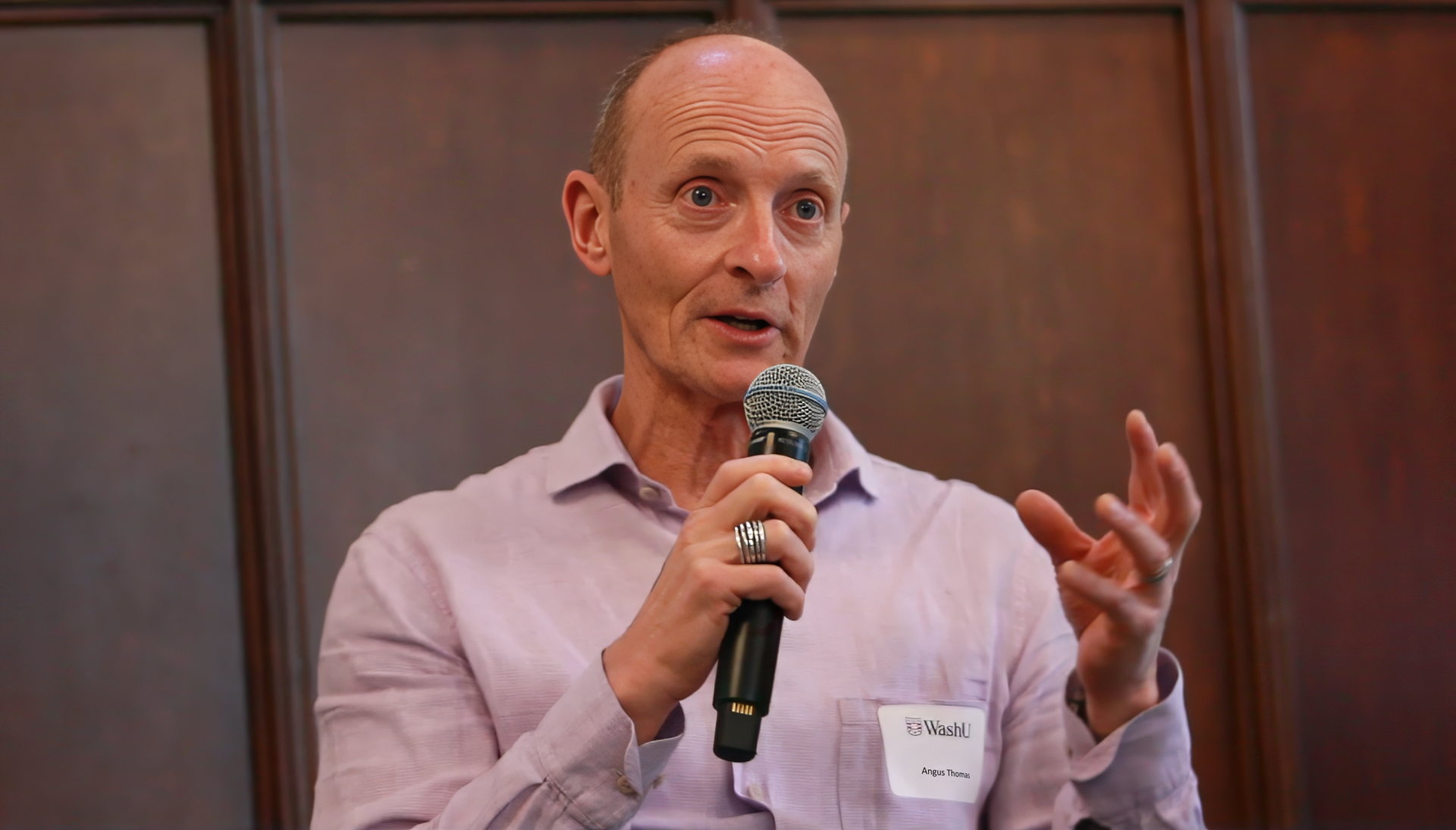
Angus Thomas
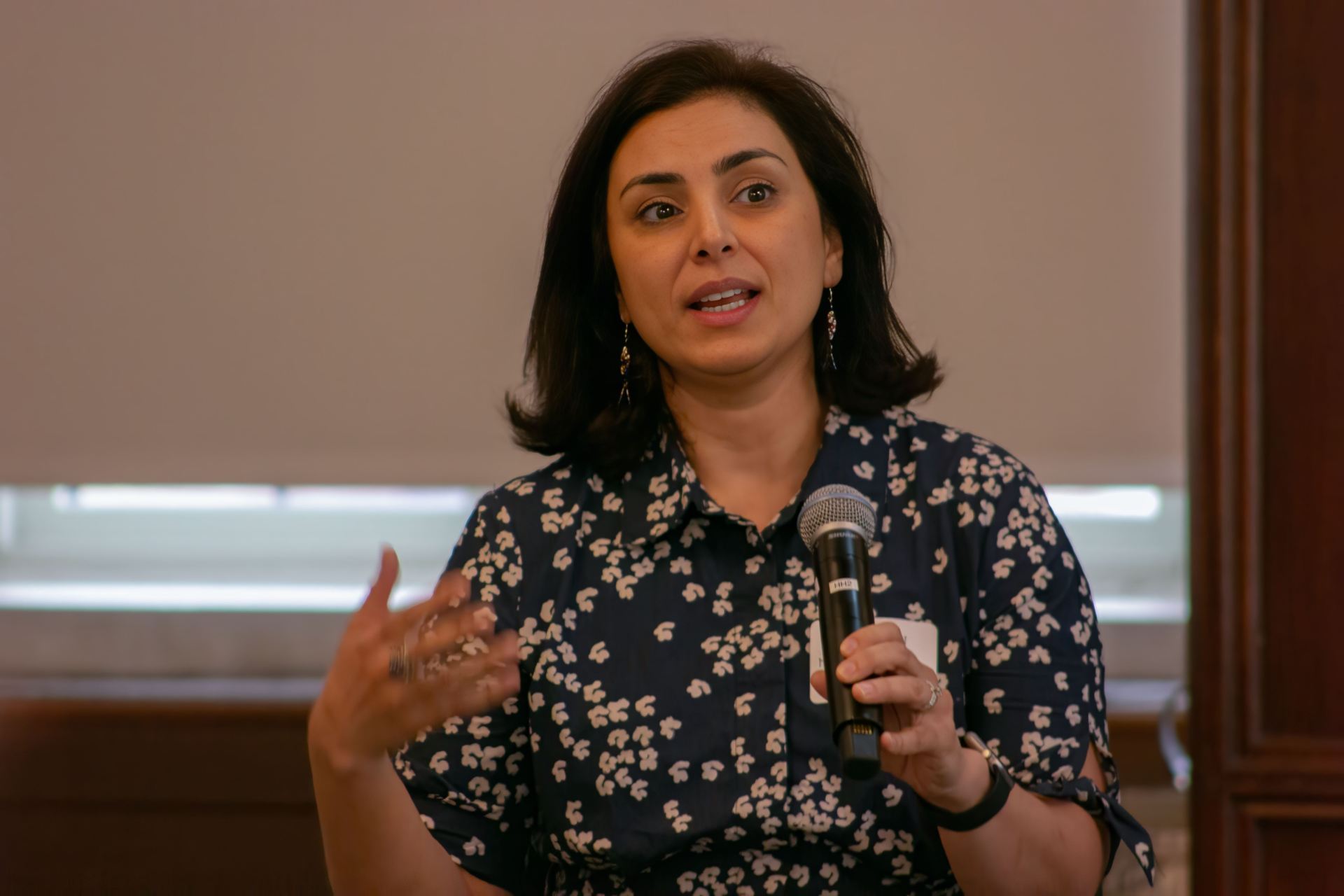
Dr Maryam Rafieifar
Dr Mitra Naseh
The panel agreed on what effective responses need. Stronger partnerships across sectors. More practice-oriented research. Real investment in evaluating what works, for whom, and under what conditions. This is at the centre of all HEP’s academic research collaborations.
Research is the third pillar of HEP’s work, alongside our Schools Programme and our SOMA and Community Programmes. We hold ongoing partnerships with Washington University and the University of Texas at Arlington. The point is not academic credibility for its own sake but to blend lived experience with academic rigour, and to turn what we learn in the field into evidence others can use.
We are enormously grateful to WashU and the Clark-Fox Policy Institute for inviting HEP to be part of this round table. You can watch the event on YouTube here.